
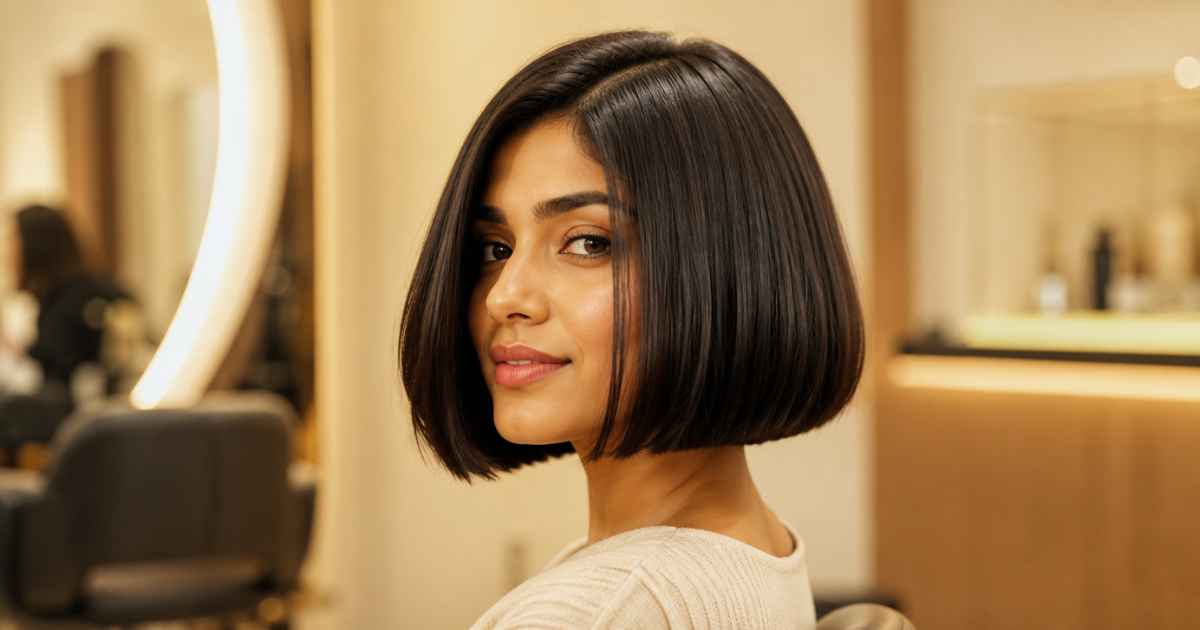
The best haircuts for women in 2026 balance movement, low daily upkeep, and precise face-shape matching, led by the Butterfly Cut, Italian Bob, Kitty Cut, and Wispy Curtain Bangs. The right pick has less to do with what’s trending and more to do with your face shape, hair density, and how much time you’re willing to spend styling it each morning. Here’s how to choose with confidence.
The 2026 Haircut Trends Worth Knowing
Four cuts are defining 2026: the Butterfly Cut, the Italian Bob, the Kitty Cut, and Wispy Curtain Bangs. Each one solves a specific problem — volume for fine hair, shorter styling time, or a softer frame around the face — rather than being a look for everyone. Understanding what each one actually does helps you separate a trend you’ll love from one that just looks good on someone else’s hair.
Butterfly Cut

The Butterfly Cut layers hair heavily around the crown and face while keeping length at the back, creating a wing-like fan of movement when the hair falls forward. It suits medium to long hair with medium-to-thick density and works especially well on oval and heart face shapes, where the face-framing layers can soften a narrower chin.
Italian Bob
An Italian Bob sits between the chin and collarbone with blunt, weighty ends and minimal layering, giving it more visual density than a classic French Bob. It’s a low-maintenance option for straight to wavy hair and reads polished with almost no daily styling, which is why it’s become the go-to request among Gurugram’s working professionals.
Kitty Cut

The Kitty Cut is a shorter, face-grazing variation of curtain bangs paired with soft layers around the cheekbones, named for the whiskered, feathered fringe it creates at the front. It suits round and square face shapes because the short, wispy pieces add vertical lines without the commitment of full bangs.
Wispy Curtain Bangs
Wispy Curtain Bangs part naturally down the middle and taper thinly along the sides of the face rather than sitting as a solid fringe. They’re the lowest-maintenance bang style available, growing out gracefully into face-framing layers instead of a blunt line, and they suit almost every face shape when cut at the right density.
Which Haircut Suits Your Face Shape?
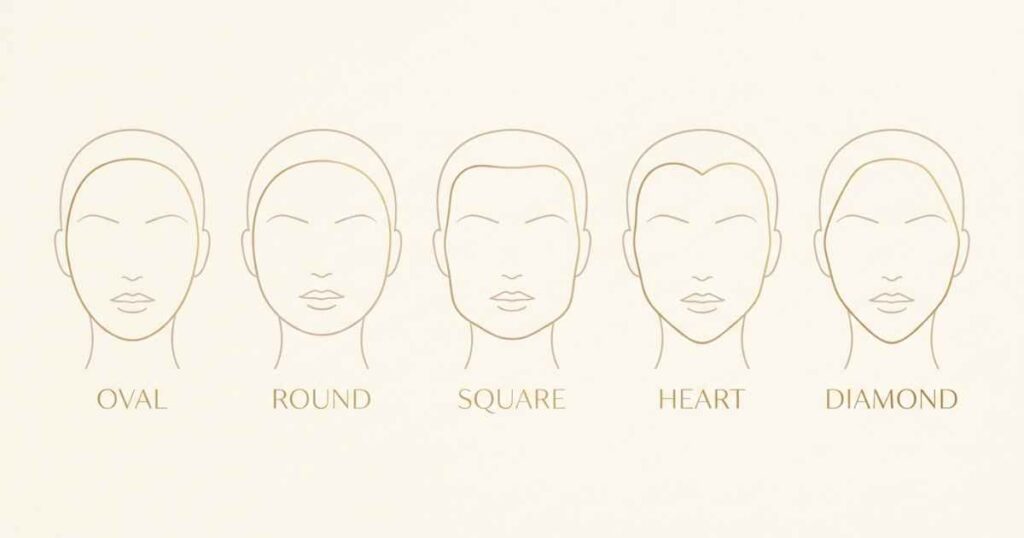
A haircut should balance facial proportions, not just follow a trend. Round faces benefit from vertical height and long face-framing layers; square faces need soft, sweeping fringe or layers to ease angular corners; heart faces need width added at the jaw; diamond faces need softness at the cheekbone; and oval faces have the most flexibility of any shape.
Oval Face Shape
Oval faces have balanced proportions — forehead, cheekbones, and jaw are close in width, with a length slightly longer than the width. This shape suits almost every 2026 trend, including the Italian Bob, Butterfly Cut, and blunt cuts, since there’s no angle that needs correcting. The main styling goal is to preserve that natural balance rather than over-layer it away.
Round Face Shape
Round faces have soft angles with cheeks as the widest point and a similar length-to-width ratio, which is why height at the crown and long, face-framing layers read as slimming. The Butterfly Cut and long layered Italian Bob both work well because they add vertical movement without adding width at the cheek. Blunt, chin-length bobs are best avoided here since they emphasise the roundness rather than counter it.
Square Face Shape
Square faces have a strong, angular jawline and a forehead roughly equal in width to the jaw. Soft, wispy layers and side-swept or curtain bangs ease that angularity, while the Kitty Cut’s feathered fringe works particularly well to soften the temples. Sharp, blunt-edged cuts tend to double down on the jaw’s angles rather than balance them.
Heart Face Shape
Heart faces are widest at the forehead and taper to a narrower chin, so the goal is to add width and softness at the jawline rather than draw more attention upward. Chin-length to collarbone-length cuts with soft layers, like a longer Italian Bob, build that width naturally, and curtain bangs help balance a broader forehead without a heavy fringe line.
Diamond Face Shape
Diamond faces are narrow at the forehead and jaw with the cheekbones as the widest point, so cuts that add fullness near the jaw and soften the cheekbone area work best. Chin-grazing layers, textured lobs, and side-swept fringe all reduce emphasis on the cheekbones while building shape lower down the face.
The 4-Step Face Shape Identification Method
Most women misjudge their own face shape from a single photo angle. This four-step measurement method, done with a soft measuring tape and hair pulled back, removes the guesswork before any cutting decision is made.
- Measure your forehead width at its widest point, roughly an inch above the eyebrows.
- Measure your cheekbone width from the outer edge of one cheekbone to the other.
- Measure your jawline width at the widest point below your ears.
- Measure your face length from the centre of your hairline to the tip of your chin, then compare all four numbers — the largest measurement usually reveals your shape (forehead widest suggests heart, cheekbones widest suggests diamond or round depending on jaw softness, and roughly equal numbers with a longer length suggest oval).
Haircut Comparisons for 2026
Trends often get chosen on looks alone. These side-by-side comparisons weigh the practical factors — face shape fit, texture suitability, daily styling time, upkeep frequency, and humidity performance — that decide whether a cut still works three months after the first blowout.
Italian Bob vs. French Bob
| Factor | Italian Bob | French Bob |
| Ideal Face Shape(s) | Oval, Round, Heart | Oval, Square, Diamond |
| Hair Texture Suitability | Fine to Medium | Medium to Coarse/Thick |
| Daily Styling Time (Minutes) | 5–10 | 10–15 |
| Salon Maintenance Frequency (Weeks) | 6–8 | 4–6 |
| Humid Climate Suitability | High — weighty ends resist frizz | Moderate — shorter length can flip out |
Butterfly Cut vs. Classic Long Layers
| Factor | Butterfly Cut | Classic Long Layers |
| Ideal Face Shape(s) | Oval, Heart, Round | Oval, Square |
| Hair Texture Suitability | Medium to Thick | Fine to Medium |
| Daily Styling Time (Minutes) | 10–15 | 5–10 |
| Salon Maintenance Frequency (Weeks) | 8–10 | 10–12 |
| Humid Climate Suitability | Moderate — needs a lightweight styler | High — minimal layering holds shape |
Blunt Cut vs. Texturized Shag
| Factor | Blunt Cut | Texturized Shag |
| Ideal Face Shape(s) | Oval, Diamond | Round, Square, Heart |
| Hair Texture Suitability | Medium to Thick | Fine to Medium |
| Daily Styling Time (Minutes) | 5 | 10–15 |
| Salon Maintenance Frequency (Weeks) | 6 | 6–8 |
| Humid Climate Suitability | High — dense ends resist frizz | Moderate — flyaways need a texturizing spray |
Decision Tree: Which Bob Cut Fits Your Jawline?
A quick way to shortlist a bob length before your consultation:
- Soft, rounded jawline + want length → chin-to-collarbone Italian Bob.
- Angular, defined jawline + want softness → jaw-grazing French Bob with side-swept layers.
- Narrow chin, wider forehead → longer bob with curtain bangs to add balance at the jaw.
- Wide cheekbones, narrow jaw → chin-length bob with soft, face-hugging layers rather than a blunt line.
Low-Maintenance Hair Trends for Women This Year
The most popular low-maintenance trends in 2026 are the Italian Bob, Wispy Curtain Bangs, and long layers with minimal internal texturizing, all of which air-dry into shape without a round brush. They hold their line between salon visits because the cut relies on weight and length rather than a specific blow-dry technique to look finished.
Can Layer Cuts Work on Thin Hair Without Losing Density?
Layer cuts can work on thin hair when the layers are kept long and internal rather than heavily face-framing, since shorter, choppy layers remove weight the hair doesn’t have to spare. A butterfly-style layer cut with layers starting below the chin, combined with internal texturizing rather than blunt point-cutting, adds movement while keeping the visible density at the ends.
How Often Should You Get a Haircut to Maintain Hair Health in Humid Weather?
In humid climates like Gurugram’s, a trim every 6 to 8 weeks keeps split ends from travelling up the shaft and helps layered cuts hold their shape against moisture-driven frizz. Fine or heavily layered styles benefit from the shorter end of that window, while blunt, low-layer cuts like the Italian Bob can stretch closer to 8 weeks between visits.
Before You Book: Addressing Common Concerns
Most hesitation about changing a hairstyle isn’t about the cut itself — it’s about a handful of specific fears. Naming them upfront, and how a proper consultation handles each one, removes most of the anxiety before you sit in the chair.
Will the stylist cut off more length than I asked for?
A trained stylist works in stages, showing you the length after each pass rather than committing to the final cut in one motion. If you’re nervous about length, say a specific number — “one inch” rather than “a trim” — and ask the stylist to confirm it back to you before the first cut is made.
Will this haircut fit my natural hair texture without daily heat styling?
This is exactly why a dry-cut consultation matters: hair falls differently wet versus dry, and a cut planned on wet hair alone can leave gaps once it dries into its natural texture. Ask your stylist to assess your hair dry first, then confirm whether the finished cut needs heat styling to look intentional or falls into place on its own.
Is this trend going to look dated in three months?
Cuts built around proportion — like face-framing layers matched to your actual face shape — outlast micro-trends because they’re solving a structural problem, not chasing a look. A Butterfly Cut or Italian Bob cut for your face shape will still work a year later, even as the styling details around it evolve.
How do I communicate what I want if reference photos feature different hair types?
Bring the photo, but describe what you like about it in terms of shape and length rather than expecting an identical result — “the volume at the crown” or “how short the front layers are” translates across hair types better than the photo alone. A good stylist will tell you upfront which elements of a reference photo will and won’t translate to your texture.
Will a short haircut highlight my jawline or widen my face?
It depends entirely on where the weight of the cut sits, not the length itself. A short cut with weight left at the jaw can widen a round face, while the same length with layers lifted above the jaw and face-framing pieces can slim it — this is precisely what a face-shape-matched consultation is designed to get right before the first cut.
What to Expect From a Master Stylist Consultation in Gurugram
A proper consultation starts before any water touches your hair. At Eikon Luxury Salon, master stylists assess hair dry first — checking natural fall, porosity, and density — because Gurugram’s hard water changes how hair sits once it’s washed and dried at home, and a cut planned only on wet, salon-conditioned hair can lose its shape within a week.
The #1 mistake: choosing a cut purely from a Pinterest photo without accounting for your own hair’s density and how the local water will affect its weight and movement once you’re styling it at home rather than in the salon chair.
Gurugram’s harder water tends to leave hair slightly drier and less pliable than the same cut styled with softer water, which is why layered cuts here often need a touch more internal texturizing to move the way they do in reference photos. Cuts that transition well from office to evening in 2026 — the Italian Bob, longer Butterfly Cut, and Wispy Curtain Bangs — all share one trait: they don’t rely on a fresh blow-dry to look finished.
How Much Does a Master Stylist Consultation and Haircut Cost in Gurugram?
Master stylist haircuts at premium salons in Gurugram’s DLF Golf Course Road, Galleria, and Sector 49 hubs typically range from ₹1,500 to ₹4,000 depending on hair length, the stylist’s seniority, and whether the service includes a wash and blow-dry finish. Consultations themselves are usually complimentary when booked alongside the haircut, though a standalone face-mapping consultation may carry a separate charge at some salons.
Booking vs. Walk-In Expectations
Premium salons generally reserve same-day walk-in slots for quick trims and reschedule master stylist cuts to appointment-only booking, since a proper face-mapping consultation and dry-cut assessment takes longer than a standard cut. Booking ahead also means your stylist has time to review any reference photos you send over before you arrive.
Home Hair Care for Gurugram’s Water Conditions
Hard water strips moisture and can leave colour-treated hair looking dull faster, so post-cut maintenance matters as much as the cut itself. A sulphate-free shampoo paired with a weekly chelating treatment helps offset mineral buildup, while a lightweight heat protectant is worth using even on air-dried styles, since hard water alone can make hair more prone to breakage under tension.
- Heat protectant spray — apply to damp hair before any blow-drying or styling, even at low heat.
- Volumizing spray at the roots — useful for fine hair carrying layered cuts like the Butterfly Cut or Texturized Shag.
- Weekly chelating or clarifying shampoo — offsets hard-water mineral buildup that dulls colour and weighs down layers.
- Leave-in conditioner on mid-lengths to ends — keeps blunt cuts like the Italian Bob looking polished between wash days.
Stylist Red Flags to Watch For During a Consultation
- Skipping a dry-hair assessment and cutting straight from a wet, freshly washed state.
- Not asking about your daily styling routine or how much time you’re realistically willing to spend on it.
- Dismissing your reference photos instead of explaining which elements will or won’t translate to your texture.
- Rushing the consultation or not confirming the exact length before the first cut.
Featured Snippet Answers
What is the most popular women’s haircut in 2026?
The Italian Bob is the most requested women’s haircut in 2026, prized for its low daily styling time and versatility across straight to wavy hair. Its blunt, weighty ends suit oval, round, and heart face shapes, and it holds shape well in humid climates without needing frequent blow-drying.
Which haircut makes a round face look slimmest?
Long, face-framing layers with height at the crown, as seen in the Butterfly Cut, make a round face look slimmest by adding vertical lines that counter width at the cheeks. Blunt, chin-length cuts should be avoided since they emphasise roundness instead of balancing it.
What haircut gives the most volume to fine hair?
A blunt cut or a butterfly-style layer cut with layers kept below the chin gives fine hair the most visible volume, since minimal or internal-only layering preserves density at the ends. Heavy, choppy layers remove weight fine hair can’t spare and should generally be avoided.
How do I choose the right haircut for my face shape?
Measure your forehead, cheekbone, and jaw width plus your face length, then match the widest measurement to a shape — round, square, heart, diamond, or oval — using the 4-step method above. From there, pick a cut designed to balance that shape’s proportions rather than one you’ve only seen on someone else.
Is a hair consultation free at luxury salons like Eikon Luxury Salon?
Consultations are typically complimentary when booked together with a haircut appointment at premium salons, including face-mapping and dry-hair assessment. A standalone consultation without a booked service may carry a separate fee, so it’s worth confirming when you schedule.
Frequently Asked Questions
How do I know if an Italian Bob or Butterfly Cut will look good on my face shape?
The Italian Bob suits oval, round, and heart face shapes best thanks to its blunt, chin-to-collarbone weight, while the Butterfly Cut favours oval and heart shapes where heavy face-framing layers can add width near the jaw. Running through the 4-step identification method above before your consultation gives your stylist a clear starting point for either option.
Does the Kitty Cut work with curly hair?
The Kitty Cut can work with curly hair, but the feathered, face-grazing pieces need to be cut slightly longer than they would on straight hair to account for shrinkage once the curl pattern sets in. A dry-cut consultation is especially important here, since curly hair’s finished shape only becomes clear once it’s fully dry.
What should I bring to my consultation besides reference photos?
Bring a note of your typical weekly styling routine how often you heat-style, how much time you spend, and whether you air-dry or blow-dry by default. This tells your stylist more about what cut will actually work for you day-to-day than the reference photos alone.